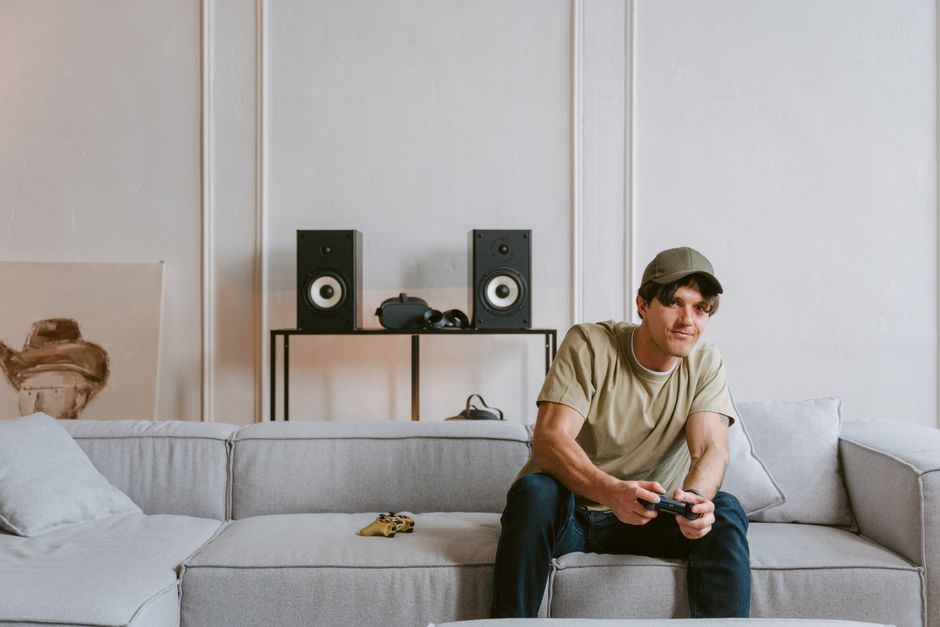
bookshelf speakers for small rooms and apartments buying guide

Sized right for nearfield listening on a desk, shelf, or small living room

A speaker built for a 20-foot living room can be too much for a 10-foot bedroom

Nearfield listening -- a desk, a small bedroom, a compact apartment living room -- rewards a different tuning than a large open floor plan. Here's how the top-reviewed 2026 picks compare for tight spaces.

See the small-room picks
⚡ Limited-time perk

Free two-day delivery on your pick

Get your pick delivered fast -- try Amazon Prime free for 30 days.

Sponsored link -- we may earn a fee if you sign up. No extra cost to you.

Quick answer: Our top pick for bookshelf speakers for small rooms and apartments is the KEF Q1 Meta (Best Overall for Small Rooms). If you're looking for best budget for small rooms, the Klipsch R-51M is a strong alternative.

What actually changes when the room gets smaller

Reviewed by the Treble Harbor team · last updated 2026-08-24

Sitting a few feet from a speaker changes what matters versus sitting across a large room. At nearfield listening distances, a speaker's off-axis dispersion and cabinet resonance become more audible since there's less room for sound to blend before it reaches your ears, and a large, high-output pair built for filling a big living room can sound boomy or overwhelming at close range in a small bedroom or apartment.

Compact cabinets also matter for a more basic reason in small spaces: floor and shelf space is limited, and a speaker that needs to sit a foot or more from a wall to sound right (common on rear-ported designs) doesn't work if the wall is three feet away to begin with. Front-ported or sealed designs tolerate closer wall placement better.

The picks below lean toward compact cabinets and tunings suited to close-range listening -- a desk, a small bedroom, or an apartment living room -- rather than the larger, room-filling pairs in our main comparison.

Rear-ported vs. front-ported or sealed cabinets

Rear-ported speakers need breathing room from the wall behind them to avoid boomy, uneven bass -- a real constraint in a small room where furniture is already close to the walls. Front-ported or sealed designs tolerate tighter placement much better.

Nearfield tuning vs. room-filling tuning

A speaker voiced to fill a large living room can sound harsh or overwhelming a few feet away on a desk. Look specifically for speakers reviewed or marketed for nearfield or desktop use, since that tuning accounts for the shorter listening distance.

Isolation pads reduce vibration into shelves and desks

Small-room setups often mean speakers sitting directly on a desk, shelf, or dresser rather than dedicated stands -- a set of foam or rubber isolation pads under each speaker cuts down on vibration transferring into the furniture and coloring the sound.

Product Best For Price Rating
KEF Q1 Meta Best Overall for Small Rooms $400 - $700 4.6/5
Klipsch R-51M Best Budget for Small Rooms $180 - $220 4.4/5
Edifier R1280T Best All-in-One for Tight Spaces $130 - $160 4.5/5
Best Overall for Small Rooms

KEF Q1 Meta

4.6

A compact standmount speaker built around KEF's Uni-Q coincident driver and Metamaterial Absorption Technology, designed to stay coherent and focused at the shorter listening distances typical of a small bedroom or desk setup rather than a large living room.

  • Uni-Q driver keeps sound coherent and focused at close listening distances
  • Compact cabinet fits a desk, small shelf, or narrow stand
  • Frequently discounted well below its $700 list price
  • Needs a separate amplifier or receiver to work
  • Still a rear-ported design, so it benefits from some wall clearance
Best Budget for Small Rooms

Klipsch R-51M

4.4

A compact-footprint passive speaker with Klipsch's horn-loaded tweeter, projecting clear vocals and lively treble at the lower-to-moderate listening distances common in a bedroom, home office, or apartment.

  • Compact footprint suits a small bedroom or office
  • Horn-loaded tweeter projects clear detail at closer listening distances
  • Lower price than most nearfield-marketed speakers
  • Needs a separate amplifier or receiver to work
  • Bright treble tuning can feel fatiguing in a small, hard-surfaced room
Best All-in-One for Tight Spaces

Edifier R1280T

4.5

A powered pair with the amplifier built into the cabinet, so a small-room or apartment setup only needs the two speakers and a source -- no separate receiver taking up additional shelf space.

  • Built-in amplifier means no separate receiver eating up shelf space
  • Simple direct RCA input for a turntable, TV, or aux source
  • Compact enough for a desk or small shelf
  • No Bluetooth or wireless streaming
  • Less refined nearfield tuning than the KEF Q1 Meta

Frequently Asked Questions

Do I need different speakers for a small room than for a large living room?

Not strictly different technology, but different tuning and placement considerations matter more. At nearfield listening distances, off-axis dispersion and cabinet resonance become more audible, and a large, high-output pair built for a big room can sound boomy or overwhelming a few feet away in a small bedroom or apartment.

Why does it matter whether a speaker is rear-ported or front-ported in a small room?

Rear-ported speakers need breathing room from the wall behind them to avoid boomy, uneven bass -- a real constraint when furniture already sits close to the walls in a small room. Front-ported or sealed designs, or a speaker with adequate clearance like the picks here, tolerate tighter placement much better.

Is the KEF Q1 Meta worth the extra cost over the Klipsch R-51M for a small room?

If nearfield coherence is the priority, yes -- its Uni-Q coincident driver is specifically designed to stay focused at closer listening distances. The Klipsch R-51M is the better fit if budget matters more than that last degree of nearfield refinement; both are compact enough for a small bedroom or office.

Does a powered speaker like the Edifier R1280T make more sense than a passive pair in a small apartment?

Often yes, purely on space -- its built-in amplifier means you only need the two speakers and a source, without a separate receiver taking up additional shelf or desk space. The trade-off is it doesn't match the nearfield refinement of a passive pair like the KEF Q1 Meta paired with a good amp.