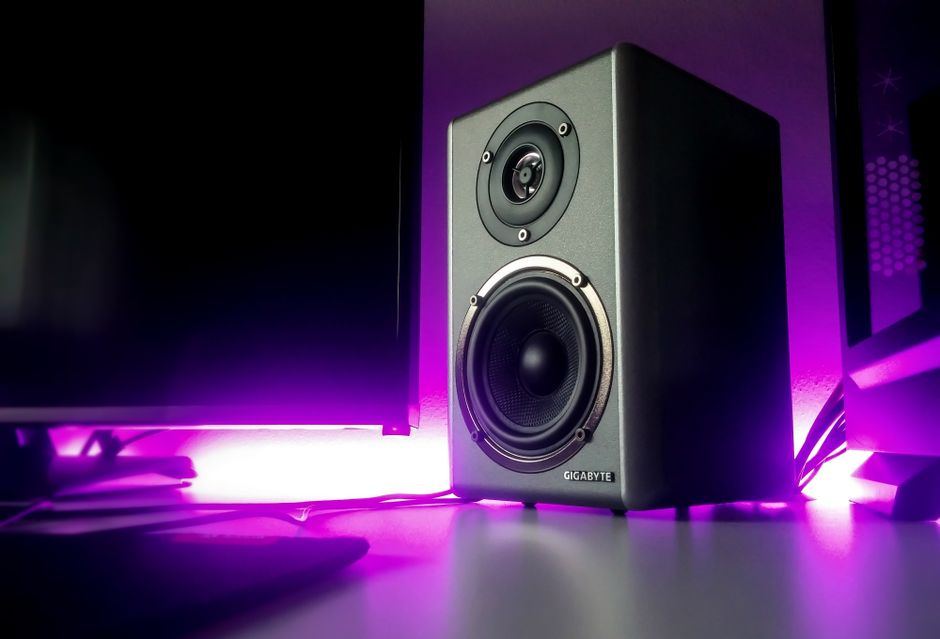
passive vs powered bookshelf speakers buying guide

One needs a separate amp, the other doesn't -- here's what that actually changes

The amp question decides more than you'd think

A passive speaker is just drivers in a box and needs a separate amplifier or AV receiver to drive it. A powered speaker has the amp built in, so you connect a source and go. Here's how the top-reviewed 2026 picks from each side compare.

See the passive and powered picks
⚡ Limited-time perk

Free two-day delivery on your pick

Get your pick delivered fast -- try Amazon Prime free for 30 days.

Sponsored link -- we may earn a fee if you sign up. No extra cost to you.

Quick answer: Our top pick for passive vs powered bookshelf speakers is the Klipsch R-41M (Best Passive Overall). If you're looking for best passive value, the ELAC Debut B5.2 is a strong alternative.

What actually changes between passive and powered

Reviewed by the Treble Harbor team · last updated 2026-08-24

Passive speakers -- just drivers in a cabinet, no amplifier -- need a separate amp or AV receiver to make sound. That extra box adds setup complexity and cost, but it also means the amp can be swapped or upgraded independently, and one receiver can drive multiple passive speakers as the hub of a full home theater setup.

Powered (active) speakers have the amplifier built into the cabinet, so a source connects directly with no separate amp needed. Because the amp is matched to the drivers at the factory, powered speakers are often tuned for a very deliberate sound out of the box, and modern powered/wireless models add streaming inputs that a passive pair simply can't do on their own.

Neither is objectively better -- it's a trade-off between all-in-one convenience (powered) and long-term modularity and upgrade flexibility (passive). The picks below cover a leading option from each side.

Passive speakers need a receiver or amp -- budget for it

A passive speaker's price tag is only part of the cost; you also need an amplifier or AV receiver to drive it, which can add anywhere from $150 to well over $1,000 depending on quality. Factor that into any passive-vs-powered price comparison, not just the speaker price alone.

Powered speakers trade upgrade flexibility for simplicity

Because the amp is built in and matched to the drivers, you can't swap in a better amp later the way you can with a passive pair and a separate receiver -- when the amp ages or you want more power, the whole powered speaker gets replaced, not just one component.

Multi-speaker home theater setups favor passive

A single AV receiver can power multiple passive speakers (front, center, surrounds) from one hub, which is why passive speakers still dominate home theater setups -- powered speakers are more naturally a 2-speaker desktop or stereo solution.

Product Best For Price Rating
Klipsch R-41M Best Passive Overall $140 - $170 4.6/5
ELAC Debut B5.2 Best Passive Value $220 - $260 4.7/5
KEF LSX II LT Best Powered & Wireless $600 - $700 4.6/5
Best Passive Overall

Klipsch R-41M

4.6

A passive bookshelf speaker with Klipsch's horn-loaded tweeter for an energetic, detailed high end, requiring a separate amp or receiver to drive it.

  • Horn-loaded tweeter gives an energetic, detailed high end
  • Amp/receiver can be upgraded independently later
  • Works as part of a multi-speaker home theater setup
  • Needs a separate amplifier or receiver to make any sound
Best Passive Value

ELAC Debut B5.2

4.7

A passive bookshelf speaker offering audiophile-adjacent sound quality at a mid-range price, still requiring a separate amp or receiver.

  • Strong sound quality for the price among passive options
  • Modular -- pairs with whatever amp fits the budget
  • Scales well if the amp gets upgraded later
  • Same as any passive speaker: no built-in amp, extra box required
Best Powered & Wireless

KEF LSX II LT

4.6

A powered, wireless bookshelf speaker with the amplifier and streaming hardware built into the cabinet, so a source connects directly with no separate amp needed.

  • No separate amp or receiver needed, connects directly to a source
  • Built-in streaming inputs a passive pair can't match on its own
  • Amp matched to drivers at the factory for a deliberate factory-tuned sound
  • Amp can't be swapped or upgraded independently later
  • Higher price than either passive pick here

Frequently Asked Questions

What's the actual difference between passive and powered bookshelf speakers?

A passive speaker is just drivers in a cabinet and needs a separate amplifier or AV receiver to make sound. A powered (active) speaker has the amp built in, so a source connects directly with no separate amp needed.

Which is cheaper overall, passive or powered?

It depends on the amp. A passive speaker's sticker price is often lower, but you still need to add an amplifier or receiver, which can add $150 to well over $1,000. Factor that into the total cost, not just the speaker price.

Can I upgrade a powered speaker's amp later?

No -- because the amp is built in and matched to the drivers at the factory, you can't swap in a better amp later. With a passive speaker and separate receiver, the amp can be upgraded independently.

Which is better for a full home theater setup with multiple speakers?

Passive speakers, generally -- a single AV receiver can power multiple passive speakers (front, center, surrounds) as one hub, which is why passive speakers still dominate home theater setups.